
 English
QHSE issues are numerous and require cross-functional knowledge that impacts the entire company. Training, understanding and application, both individual and collective, for all those involved in a joint project.
The standards :
Quality
ISO 9001: quality management system.
Hygiene
HACCP (Hazard Analysis and Critical Control Points): essential in collective catering.
ISO 22000: food safety management system.
Security
ISO 45001: occupational health and safety management system.
Environment
ISO 14001: environmental management system.
Services offered
- Reporting
- Audits
- Traceability
- Continuous control systems
Our QHSE system is based on a set of international standards defining best practices in each of its areas. These standards provide a valuable framework for identifying, assessing and managing the risks and opportunities associated with our activities. They enable us to move from a compartmentalised approach to a systemic approach, where QHSE issues are considered as performance drivers in their own right.
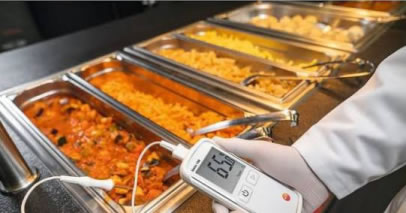
Our QHSE system is based on a set of international standards defining best practices in each of its areas. These standards provide a valuable framework for identifying, assessing and managing the risks and opportunities associated with our activities. They enable us to move from a siloed approach to a systemic approach, where QHSE issues are considered as performance drivers in their own right.

Our laundry service takes care of the processing, washing and ironing of all workwear, personal effects and bed linen. These tasks require skill, organisation and monitoring. With a focus on quality and hygiene, our goal is to ensure the complete satisfaction of our customers. Every stage of the linen processing, from sorting to final distribution, is carried out with constant attention to quality.
Hygiene refers to the measures we take to maintain a clean and healthy working environment, thereby preventing the risk of infection, illness and contamination. This includes cleaning practices, personal hygiene procedures and food safety controls.
We pay particular attention to the prevention of accidents, injuries and occupational illnesses. This involves identifying risks, implementing prevention and protection measures, training employees in safety procedures and implementing emergency plans in the event of an incident. Workplace safety is a major priority for our QHSE department. This approach also aims to promote employee health and well-being. This may include health promotion programmes, stress management, psychosocial risk prevention, and the creation of a healthy working environment.
Our environmental approach aims to manage natural resources responsibly and reduce the environmental impact of our activities. This includes our initiatives in recycling, waste reduction, compliance with environmental regulations, and efficient use of energy and resources. Compliance with the regulations and standards applicable to our activities is a key aspect of our QHSE approach.

In order to monitor and improve our performance in terms of QHSE reporting and disclosure, we define and monitor our measures supported by relevant indicators via dashboards and KPIs that assess the quality, effectiveness and impact of our collected QHSE information. We primarily focus on two types of KPIs. Reactive indicators, based on past results (qualitative and quantitative), which enable corrective action to be taken. Proactive indicators, focused on processes and preventive actions, which promote the identification of strengths and weaknesses in terms of awareness, the improvement of occupational risk prevention policy and the promotion of actions related to the health and safety of all our employees. Depending on the specific needs and requirements of the client and the project, we work to implement other key indicators such as reception, attendance, flows, audits, inspections, etc.

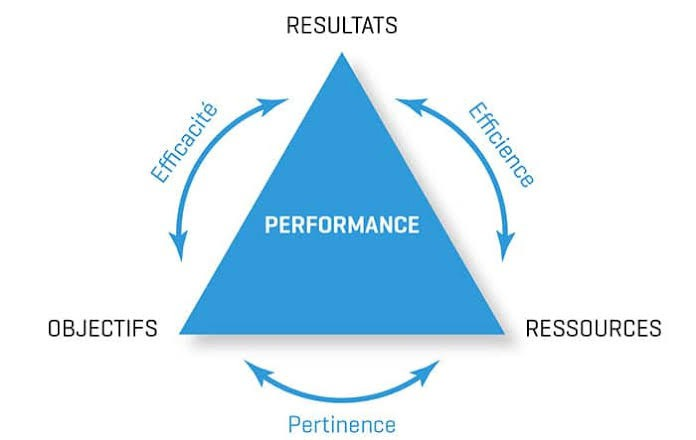
The drivers of our QHSE approach aim to positively impact the company's performance through management commitment. Managerial leadership is essential to the implementation and dissemination of a QHSE culture among our employees. The training and awareness sessions we provide are an integral part of raising employee awareness of QHSE practices and related issues, which are important levers for promoting a culture of safety and responsibility. We pay particular attention to involving our employees in our QHSE initiatives by engaging them in identifying problems and finding solutions. Continuous evaluation and improvement, through the regular collection and analysis of our QHSE data, enable us to assess performance, identify areas for improvement and take appropriate action. Close collaboration as part of our QHSE approach requires participation and dialogue with the various stakeholders in a project, particularly those outside the company, such as customers, suppliers and regulatory authorities, in order to understand and meet their expectations.